

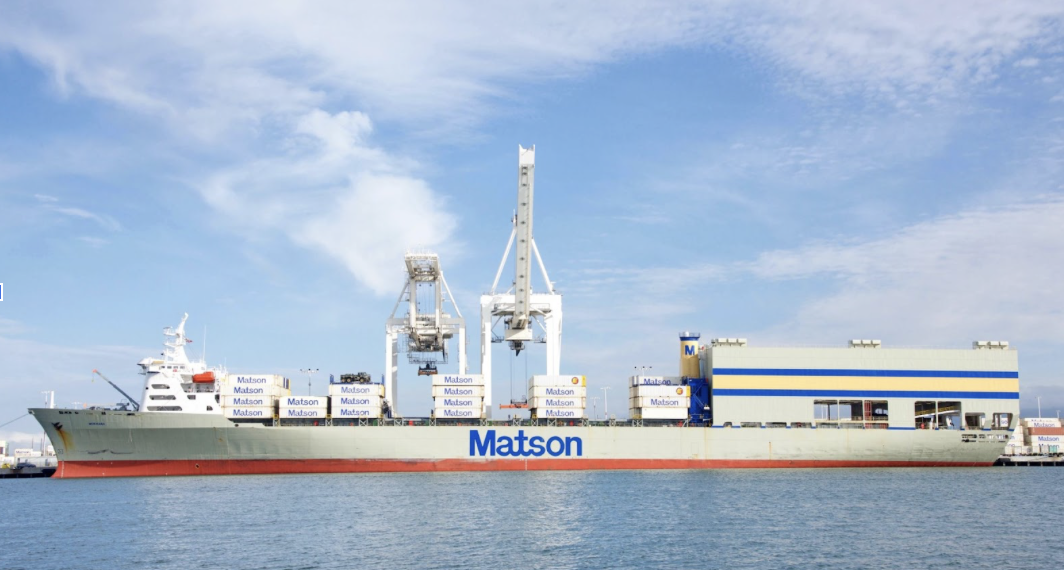

Matson Breaks Decade-Old Pledge
From Our Correspondent, Chattogram: US shipping giant Matson has broken a decade-old public commitment by sending one of its former US-flagged vessels to South Asia’s controversial shipbreaking beaches. In an apparent attempt to conceal its identity, the vessel formerly known as MOKIHANA has undergone a name and flag change and is now headed for the Alang shipbreaking yard in India. The move has triggered strong condemnation from international environmental and human rights organizations.
According to the Basel Action Network (BAN) and the NGO Shipbreaking Platform, Matson deliberately adopted deceptive measures to hide the vessel’s true origin. The ship has been re-registered under the flag of Saint Kitts and Nevis, a country widely known for offering so-called flags of convenience in ship scrapping operations. At the same time, the vessel’s name was changed from MOKIHANA to MOKHIA.
Current Location and Route

Based on vessel tracking data, the ship is currently sailing across the Pacific Ocean and heading toward Bhavnagar port in India. It is expected to arrive at the Alang beaching area on February 25.
Global Criticism Over Broken Commitment
In 2015, Matson publicly pledged that it would not send its vessels to South Asian beaches for dismantling, citing serious environmental and worker health risks associated with beaching practices. Environmental groups are now calling the company’s latest action a blatant violation of that promise.
BAN Executive Director Jim Puckett said the concealment tactics raise serious questions about Matson’s corporate responsibility. He described the move as a clear violation of the Basel Convention, which regulates the transboundary movement of hazardous waste.
Meanwhile, Ingvild Jenssen, Director of the NGO Shipbreaking Platform, stated that Matson chose this dangerous route to cut costs by exploiting cheap labor and weak regulatory oversight.
Environmental and Health Hazards
Shipbreaking on open beaches releases hazardous materials such as asbestos, lead, and residual oil into the marine environment, causing irreversible damage to coastal ecosystems and posing severe health risks to workers and nearby communities. Environmentalists argue that although Matson may attempt to justify its actions by referring to the Hong Kong Convention, no shipbreaking yard in India has yet fully met international safety and environmental standards.
Advocacy groups are now urging Matson’s investors and international regulatory authorities to take firm action and compel the company to redirect the vessel to a facility that meets safe and environmentally sound recycling standards.