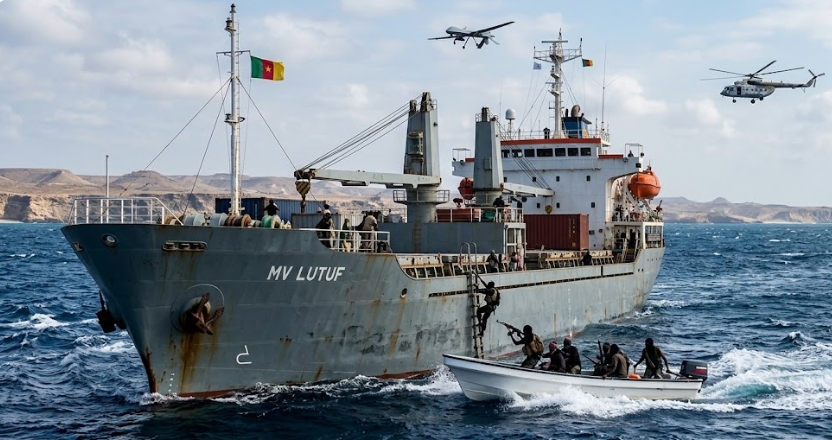

6 Vessels Hijacked in Four Months
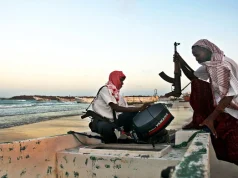
SHIPPING DESK: Somali pirates have resurged across the Gulf of Aden, the Yemeni coastline, and the Western Indian Ocean, posing the gravest threat to international maritime trade routes since 2010. Armed Pirate Action Groups (PAGs) hijacked at least six commercial vessels in four months between April and August 2026. The hijacked targets include oil tankers and general cargo vessels carrying military hardware. Commercial ships operating between Chattogram Port and Europe–America routes routinely navigate these perilous waters, triggering deep concern among local shipping operators and exporters.
Latest Targets: Arms-Laden MV Lutuf and Oil Tanker MT Sibu 1

According to international maritime shipping circles, eight armed pirates hijacked the Cameroon-flagged general cargo vessel MV Lutuf on August 17, four nautical miles off the coast of Marayo in southern Somalia. Built in 1995 with a capacity of 1,401 deadweight tons, the vessel was transporting advanced weapons, satellite equipment, and communication systems destined for a Turkish military training base in Mogadishu. Six of the ten crew members on board are Indian nationals.
Following the capture, the vessel was steered toward the Garmal coast in the Dangoroyo district of Puntland. Turkey has deployed naval assets and drones to handle the situation. Regional tensions escalated further following a mysterious airstrike that killed four individuals aboard a boat delivering Khat—a local stimulant—to the pirates aboard the vessel.
Shortly after, on August 22, six armed pirates hijacked the Eritrean-flagged oil tanker MT Sibu 1 off the coast of Yemen in the Gulf of Aden, steering it toward the Somali coast along with its 20 crew members, including 16 Indian nationals. The Indian maritime administration continues to monitor the vessel closely via the e-Navik platform.
Details of Vessels Hijacked (April–August 2026)
| Date | Vessel Name | Flag State | Hijacking Location | Crew Details | Current Status |
| April 21, 2026 | MT Honor 25 | Palau | Off Somalia Coast | 18 (mostly Pakistani) | Held in pirate custody |
| April 26, 2026 | MV Sward | St. Kitts & Nevis | Garacad, Somalia | Unspecified | Fertilizer vessel held |
| May 2, 2026 | MT Eureka | Togo | Off Yemen Coast | Unspecified | USD 10 million ransom demanded |
| July 17, 2026 | MT Asana | Tanzania | Gulf of Aden | Unspecified | Anchored off Puntland coast |
| August 17, 2026 | MV Lutuf | Cameroon | Marayo, Somalia | 10 (6 Indian nationals) | Arms cargo held at Garmal |
| August 22, 2026 | MT Sibu 1 | Eritrea | Off Yemen Coast | 20 (16 Indian nationals) | Diverted to Somalia coast |
Threat Dynamics and Analytical Breakdown
Data from the Joint Maritime Information Center (JMIC) and maritime security agencies indicate that at least two coordinated Pirate Action Groups are launching operations hundreds of nautical miles offshore using advanced weaponry.
Captain Habibur Rahman, former Principal Officer of the MMD, noted that piracy typically subsides during the southwest monsoon due to rough sea conditions making skiff operations dangerous. However, current attacks are deliberately defying these adverse conditions. Pirates are strategically targeting high-value oil tankers and military cargo rather than fishing trawlers. Organized coastal networks supply fuel, food, and Khat to the hijacked ships, reflecting meticulous preparation for prolonged hostage negotiations. Puntland authorities state that influential local groups operating outside government control are backing these syndicates.
Commercial Implications and Global Context
Engineer S. K. Ghosh, former Executive Director of QC Shipping, observed that pirates are taking advantage of reduced patrols by the US Navy and international coalitions amid Middle Eastern geopolitical friction and US-Iran tensions. This creates acute supply-chain gridlocks and financial hazards along key Asia-Europe trade lanes via the Red Sea and Indian Ocean. With a substantial volume of Bangladeshi and Chattogram-based export-import trade dependent on this corridor, local shipping operators and freight forwarders must enforce heightened maritime security and precautionary protocols.
Origins of Somali Piracy
Following the collapse of Somalia’s central government in the 1990s and subsequent civil conflict, foreign vessels began engaging in illegal fishing and dumping toxic waste in Somali waters. Local Somali fishermen initially organized armed patrols under the pretext of defending marine resources and livelihoods, which later transformed into lucrative transnational maritime crime syndicates.
Ransom Operations and Release Mechanics
Instead of looting cargo, pirate syndicates hold vessels hostage to negotiate multimillion-dollar ransoms, as demonstrated by the $10 million demand for MT Eureka. After securing a ship, pirates anchor it in safe coastal waters. Professional intermediaries conduct discrete negotiations between the vessel owners and international insurance firms. Once terms are finalized, cash in US dollars is sealed in waterproof packages and dropped onto the ship’s deck via light aircraft or helicopters. Pirates use currency counters and counterfeit detectors on board to verify the funds before departing via speedboats and releasing the crew and vessel.
Stay connected with businesstoday24.com for timely updates. Please follow our coverage and leave your thoughts in the comments below.