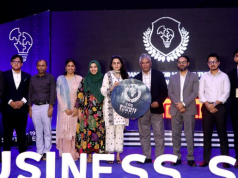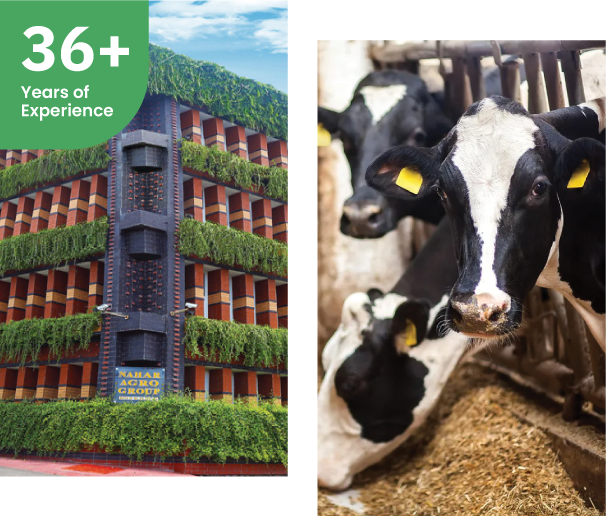

From Our Correspondent, Chattogram: In the early 1990s, when Bangladesh’s agriculture and poultry sectors were largely unstructured, a young dreamer set out to build something different. What began with just a few hundred chickens has grown into Nahar Agro Group, a multi-billion-taka industrial conglomerate and one of the country’s key pillars in meeting national protein demand. By blending modern technology with sustainable agricultural thinking, the group has played a decisive role in transforming Bangladesh’s poultry and livestock landscape.

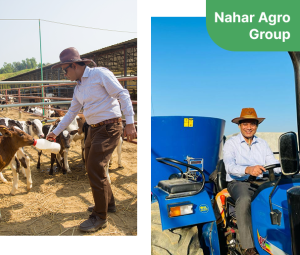
Portrait of the Entrepreneur: Rakibur Rahman Tutul
Mohammad Rakibur Rahman Tutul, Managing Director of Nahar Agro Group and a former director of the Chittagong Chamber of Commerce and Industry, is widely regarded as a pioneer of Bangladesh’s poultry industry. Beyond commercial success, he is known for his disciplined approach, commitment to innovation, and uncompromising focus on quality.
Choosing to step beyond the boundaries of his family’s traditional business, Tutul took a calculated risk by investing in agriculture-based industry at a time when the sector offered little certainty. His leadership has extended beyond his own enterprise. As a former president of the Bangladesh Breeders Association, he has played an active role in shaping policy discussions and advancing best practices within the poultry sector.

 Core Operations of Nahar Agro Group
Today, Nahar Agro Group operates across the entire value chain, from poultry breeding to feed production and organic fertilizer manufacturing.
Poultry breeding remains a flagship operation, with some of the country’s largest grandparent and parent stock farms. The group also produces high-quality poultry, cattle, and fish feed through its modern feed mills. Its dairy operations focus on improved cattle breeds and commercial milk production, while scientific fish farming and hatchery services support the aquaculture sector. In parallel, waste management initiatives convert farm by-products into environmentally friendly organic fertilizer.
What Sets Nahar Agro Group Apart
The group’s competitive edge lies in its extensive use of advanced automation systems in hatcheries and feed mills, ensuring consistency and efficiency. Strict biosecurity and quality control measures are enforced at every stage of production. Nahar Agro Group is also a major source of employment, creating livelihoods for thousands of people directly and indirectly. In addition, it actively supports marginal farmers by providing training, technical assistance, and market access, strengthening rural economies across the country.
Social Responsibility and Employment
Under Tutul’s leadership, the group’s vision extends well beyond profit. Nahar Agro Group currently provides direct employment to around 10,000 people. It conducts regular training programs for small and marginal farmers, helping them adopt modern farming methods and supporting the marketing of their produce. Environmental sustainability is another priority, with farm waste being used to generate energy and high-quality organic fertilizer, offering a practical model of sustainable agriculture.
 Looking Ahead
Nahar Agro Group is now preparing to expand strongly into the processed food segment, particularly ready-to-cook chicken products. The overarching goal is to make safe, affordable protein accessible to people across the country.
Through relentless effort and consistent service, Rakibur Rahman Tutul and Nahar Agro Group have helped elevate Bangladesh’s agricultural revolution to a new level. Their journey stands as a powerful source of inspiration for young entrepreneurs.
Guided by the slogan “Safe protein is everyone’s right,” Nahar Agro Group continues to move forward. Tutul’s integrity and innovative mindset are not only contributing to national food security but also opening doors for Bangladeshi agricultural products to reach international markets in the years ahead.