
Kamrul Hasan
Dubai: When dredging began in the late 1970s to build Jebel Ali Port, some 35 kilometers southwest of central Dubai, leading global economists and maritime analysts dismissed the move as reckless and overly ambitious. Sceptics openly questioned whether a massive, man-made deep-water port carved out of the shallow Persian Gulf coastline could ever attract major international shipping lines. Yet, anchored by the bold vision of Dubai’s late ruler, Sheikh Rashid bin Saeed Al Maktoum, DP World transformed that barren stretch of desert into a modern logistics marvel. Today, it stands as the world’s largest man-made harbor and one of the most critical transshipment hubs on global maritime routes.
Saleh Al-Marri, a retired port official in his sixties, witnessed this transformation firsthand. Recalling the early days, he noted that when the foundation was laid in the 1970s, the area offered nothing beyond sandstorms and salty sea breezes, leading many locals to doubt the port’s viability. Over the decades, however, DP World’s deployment of cutting-edge technology and automated terminals revitalized trade across the entire Arab world, turning a quiet coastline into one of the busiest shipping lanes on the planet.

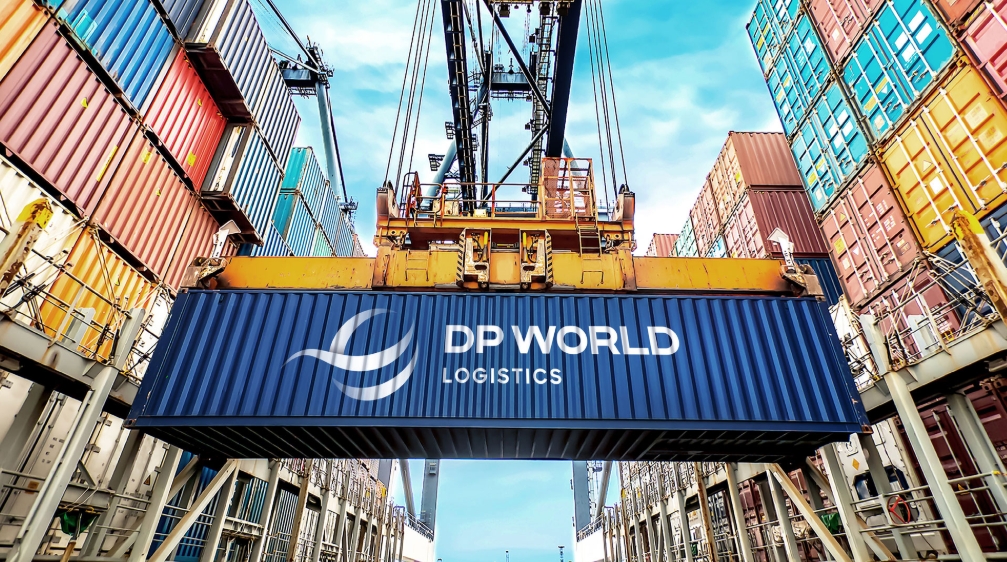
A primary driver behind this success is DP World’s advanced terminal automation and engineering. Breaking away from traditional draft limitations and slow turnaround times, the port installed sophisticated remote-controlled quay gantry cranes. Driven by digital sensors and automated software, each crane achieves 35 to 40 container moves per hour, enabling Ultra Large Container Vessels (ULCVs) to complete full loading and unloading operations in under 24 hours. By reducing vessel wait times to near zero, Jebel Ali has become a trusted benchmark for international shipping lines.
Beyond quayside efficiency, DP World revolutionized yard management with the AI-driven “BOXBAY” high-bay storage system. Unlike traditional port yards where containers are stacked on top of one another—requiring extensive reshuffling to access lower units—the BOXBAY system places each container in an individual steel rack, eliminating unproductive moves entirely.
Logistics and transport operators reap substantial real-world benefits from these innovations. Dubai-based logistics entrepreneur Ahmed Al-Mansouri pointed out that clearing a container and exiting the port with a truck used to take hours two decades ago. With DP World’s paperless customs, Optical Character Recognition (OCR) smart gates, and automated slot booking systems, truck turnaround times have plummeted to just 20 to 30 minutes, drastically cutting fuel and operating costs while boosting global competitiveness.
Jebel Ali Port is far more than an isolated marine terminal; it functions as an integrated ecosystem anchored by the Jebel Ali Free Zone (Jafza), home to thousands of multinational corporations managing regional processing and distribution hubs. This synergy of world-class infrastructure, automated logistics, and integrated industrial zones proves that visionary policy paired with modern technology can transform desert sands into an invincible epicenter of global trade.
Stay updated with in-depth global trade insights by following businesstoday24.com, and share your thoughts in the comments section below.