
Modern Lifestyle, Bone-Joint Health, and New Frontiers in Orthopedic Care: Interview with Dr. KP Kosygan
Expert Profile
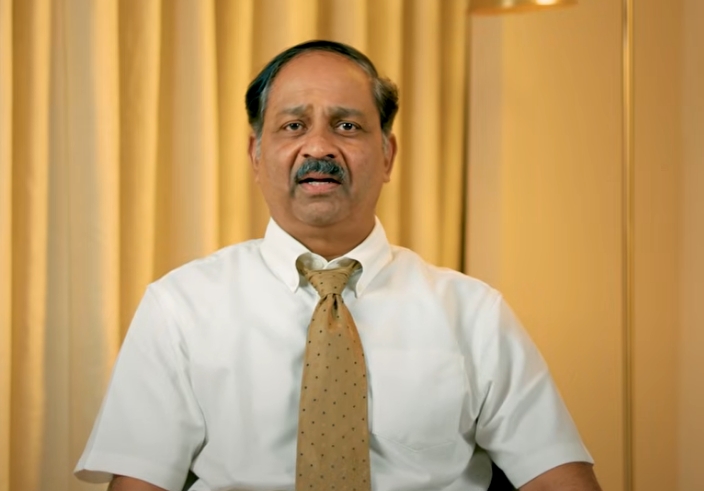
Dr. KP Kosygan is one of India’s leading orthopedic and joint replacement surgeons, serving as a senior specialist at the internationally renowned Apollo Hospitals in Chennai. Trained and extensively experienced across prestigious institutions and hospitals in the United Kingdom, he is widely recognized for his expertise in complex arthritis treatment of the knee and hip, arthroplasty, and advanced joint replacement surgery. He also holds an international reputation in sports injury rehabilitation and advanced minimally invasive surgical procedures.
Health Desk
Below is the exclusive interview with Dr. KP Kosygan, Senior Consultant Orthopedic Surgeon and specialist in osteoarthritis and joint replacement at Apollo Hospitals, Chennai.
Question: Bone and joint issues are increasingly common across various professions. What fundamental steps should working professionals follow to maintain joint and bone health?

Dr. KP Kosygan: First and foremost, you must maintain regular physical activity. In my medical profession, I often work 14 to 16 hours a day, but the nature of our work involves constant standing and moving around. Conversely, those in desk jobs or IT sectors frequently experience back pain, joint stiffness, and bodily ache at an early age. Incorporating physical movement into daily routines is non-negotiable.
Walking remains the simplest form of exercise. If you do not have time for the gym or swimming, that is entirely fine, but you should walk at least 3 to 4 kilometers daily. If you work on an expansive office campus, walk within the grounds; alternatively, get off your vehicle a short distance early and walk the rest of the commute.
Both prolonged static standing and prolonged sitting should be avoided. A common myth persists that only years of heavy lifting cause joint and back issues. In reality, sitting in one position with incorrect posture triggers severe muscle stiffness and chronic back pain. Take breaks, adjust your posture, walk around, and drink water.
Hydration is equally critical, especially as the seasons shift from cold to warm weather. People often forget to drink adequate fluids. Ensure proper hydration through water or fresh fruit juices.
Adequate rest is the final pillar. While professional deadlines make regular sleep challenging, cumulative sleep deficits should be compensated over the week. Muscle recovery requires rest; without it, acute strain transforms into chronic pain.
Question: What are three daily habits silently damaging people’s bone and joint health?
Dr. KP Kosygan: The three silent culprits are:
A sedentary lifestyle, where individuals rely on motorized transit even for short distances of 50 to 100 yards instead of walking.
Obesity and excess body weight, which has reached epidemic proportions and is now increasingly prevalent among schoolchildren and youth due to excessive academic pressure replacing outdoor sports.
An unbalanced and monotonous diet, lacking variety in essential nutrients.
Furthermore, young generations consume significantly fewer dairy products and receive minimal sunlight exposure, both of which are foundational for bone density and skeletal development.
Question: What dietary adjustments are necessary for long-term bone and joint protection?
Dr. KP Kosygan: A varied and well-balanced diet is key. Milk and dairy products should be consumed regularly by those without specific cardiovascular or lipid restrictions.
Green leafy vegetables such as spinach and broccoli offer rich nutrients, but over-boiling or deep-frying them destroys essential micronutrients. Consuming them raw or lightly steamed preserves their nutritional value.
Fish and seafood serve as primary sources of calcium and vitamin D for non-vegetarians, alongside regular intake of fresh seasonal fruits.
One critical warning: limit excessive consumption of red meat. In individuals with a metabolic predisposition, red meat elevates uric acid levels, leading to severe inflammation and arthritic flares in the joints.
Question: Many people habitually crack their knuckles. Does this habit trigger arthritis?
Dr. KP Kosygan: The popping sound produced when cracking knuckles is caused by the bursting of vacuum gas bubbles within the synovial fluid of the joint capsule. Frequent or aggressive cracking can cause minor ligament or soft tissue strain, but scientific evidence does not link knuckle cracking directly to arthritis.
Notice that people typically crack small finger joints, where the incidence of clinical arthritis is remarkably low. Arthritis predominantly affects major weight-bearing joints such as the knees and hips, which cannot be cracked like fingers.
Question: What is your advice for senior citizens suffering from hip or knee pain who fear joint replacement surgery?
Dr. KP Kosygan: Over the past decade and a half, perceptions have shifted drastically. Octogenarians aged 80 to 85 now approach joint replacement with confidence, reflecting rising life expectancy and the demand for quality living across our subcontinent.
In older adults, osteoporosis frequently leads to hip fractures from simple slips in bathrooms. In such scenarios, surgical intervention remains the only reliable route to restoring mobility.
A persistent misconception is that joint replacement involves amputating or discarding the entire joint bone, leaving the patient permanently dependent. This is completely false. Unless addressing tumors or severe bone pathology, the natural bone structure is preserved. Arthritis occurs when the smooth protective cartilage wears away, causing raw bone-on-bone friction. During surgery, the damaged cartilage surface is simply resurfaced, shaved smooth, and fitted with a precise prosthetic cap.
Much like cataract surgery for the eyes, joint replacement is now among the safest and most successful procedures in modern orthopedics. Patients in their eighties routinely regain independence, travel internationally, and walk pain-free. Age is merely a number; if muscular and mental vitality remain strong, modern medical science can restore mobility and eliminate pain.
Question: Many individuals avoid doctors and rely solely on pain-relief sprays, gels, or topical balms. Do these provide real clinical relief?
Dr. KP Kosygan: For acute sprains, muscle pulls, or minor trauma, ice therapy and topical pain-relieving gels offer temporary symptom relief and a mild placebo benefit without significant systemic absorption.
However, if the underlying condition is advanced osteoarthritis or cartilage degeneration within the deeper joint architecture, external gels will never cure it. Masking degenerative joint damage with topical balms delays essential medical intervention.
In advanced healthcare systems across Europe and North America, topical pain products are strictly regulated because they do not resolve pathology. If pain persists or recurs frequently, consult an orthopedic specialist promptly for an accurate diagnosis instead of relying on temporary external remedies.
Question: What was your experience treating athletes during the Covid-19 pandemic, particularly regarding injury management under strict restrictions?
Dr. KP Kosygan: Treating professional athletes involves unique clinical and operational complexities. During the height of the Covid pandemic, major sporting events continued behind closed doors to provide global audiences with psychological relief and entertainment during lockdowns.
Teams operated under strict bio-secure bubbles with continuous testing and quarantine protocols. Managing acute injuries requiring urgent hospital investigations within that setup presented extraordinary risks.
At Apollo Hospitals, we established a dedicated “Green Corridor” specifically for sports personnel. The medical crew—surgeons, anesthetists, physiotherapists, and technicians—operated in full PPE gear, masks, and face shields. Every diagnostic room and machine was thoroughly sterilized before and after each intervention, whether for scans, casts, or injections, allowing players to receive treatment and return safely to their bio-bubble. Because of these rigorous protocols, not a single player participating in premier tournaments such as the IPL contracted Covid during their clinical visits. It was a remarkable achievement in collaborative medical care.
Stay connected with businesstoday24.com by following our updates and sharing your thoughts in the comments below.