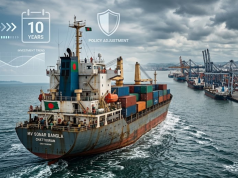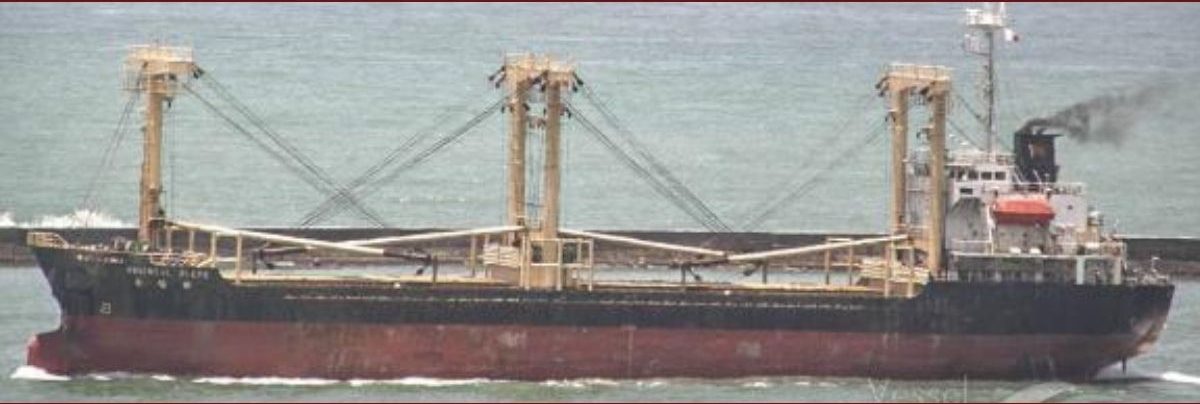

Shipping Desk: After more than a decade of relative calm, Somali pirates have once again emerged as a significant threat to international maritime trade. Taking advantage of the redirected focus of international security forces in the Gulf of Aden and the Indian Ocean, armed pirate groups are increasingly targeting commercial vessels. The latest reports confirm that a cargo ship named “MV Sward” has fallen into the hands of pirates.
The hijacking of the St. Kitts and Nevis-flagged vessel on April 27, 2026, marks a fresh escalation in regional maritime insecurity. The incident occurred in international waters, approximately 600 nautical miles off the Somali coast.
The United Kingdom Maritime Trade Operations (UKMTO) confirmed that a group of armed individuals boarded the vessel and seized control. They forced the ship to change course toward the central Somali coast. The 4,000-deadweight-ton ship was en route to the Port of Mombasa, carrying various industrial and consumer goods for the East African market. International naval forces are currently tracking the vessel, which is believed to be heading toward Eyl, a notorious pirate stronghold.
Why the Sudden Resurgence?
Maritime security experts suggest a “security vacuum” has been created in the Indian Ocean. Due to ongoing attacks by Houthi rebels in the Red Sea, the attention of international naval assets—including EUNAVFOR ATALANTA and other joint task forces—has shifted northward. This shift has left the Somali coast vulnerable, a gap that pirate networks are now exploiting.
Economic Risks for Mombasa and East Africa
The hijacking of MV Sward poses a severe economic threat to Kenya and the Great Lakes region. The Port of Mombasa handles nearly 80% of imports for Uganda, Rwanda, South Sudan, and Congo. A rise in piracy could lead to a massive hike in insurance premiums and “war risk” surcharges. This could potentially increase the cost of shipping per container by $400 to $1,200, a burden that will ultimately fall on the general consumer.
Strategic Shifts in Piracy Tactics
Current pirate operations appear more organized than in previous years. Groups are utilizing “mother ships”—often hijacked fishing trawlers—to launch smaller speedboats hundreds of miles away from the coast. The recent successful hijackings and subsequent ransom payouts for the MV Ruen and MV Abdullah have reportedly revitalized local pirate networks.
At a Glance: MV Sward
Vessel Name: MV Sward Flag State: St. Kitts and Nevis Cargo: Mixed industrial and consumer goods Crew: 15–18 members (various nationalities) Last Known Position: 600 nautical miles east of Mogadishu
The Kenya Maritime Authority and the Kenya Navy have already issued high alerts. Shipowners are being advised to employ armed security guards and increase vessel speeds when navigating high-risk areas. While the Indian Ocean was once declared “piracy-free,” the current situation presents a difficult challenge for the international community.
Echoes of the Honour 25 Hijacking
The seizure of MV Sward follows the hijacking of the fuel tanker “Honour 25” just last week, as previously detailed by BusinessToday24. The Palau-flagged tanker, along with its 17 crew members, is currently held by pirates between Hafun and Bandar Beyla. These back-to-back incidents have triggered a High Alert across international shipping routes.
The International Maritime Organization (IMO) has advised all commercial vessels operating in the Gulf of Aden and the Somali Basin to implement enhanced security measures and immediately report any suspicious activity.